Christine Mayer, Berlin

A German fashion designer commissions in-store graphics using the same antique fabric as her one-of-a-kind wares
Posted September 1, 2011
Christine Mayer_Image 6_Cat A.jpgChristine Mayer_Image 1_Cat A.jpgChristine Mayer_Image 2_Cat A.jpgChristine Mayer_Image 3_Cat A.jpgChristine Mayer_Image 4_Cat A.jpgChristine Mayer_Image 5_Cat A.jpgChristine Mayer_Image 7_Cat A.jpg

German fashion designer Christine Mayer works exclusively with recycled materials to handcraft her sustainable garments. And these materials are not only green – they’re often more than 100 years old. Items like recycled bed linens and antique army uniforms are transformed into tailored jackets with feminine details.

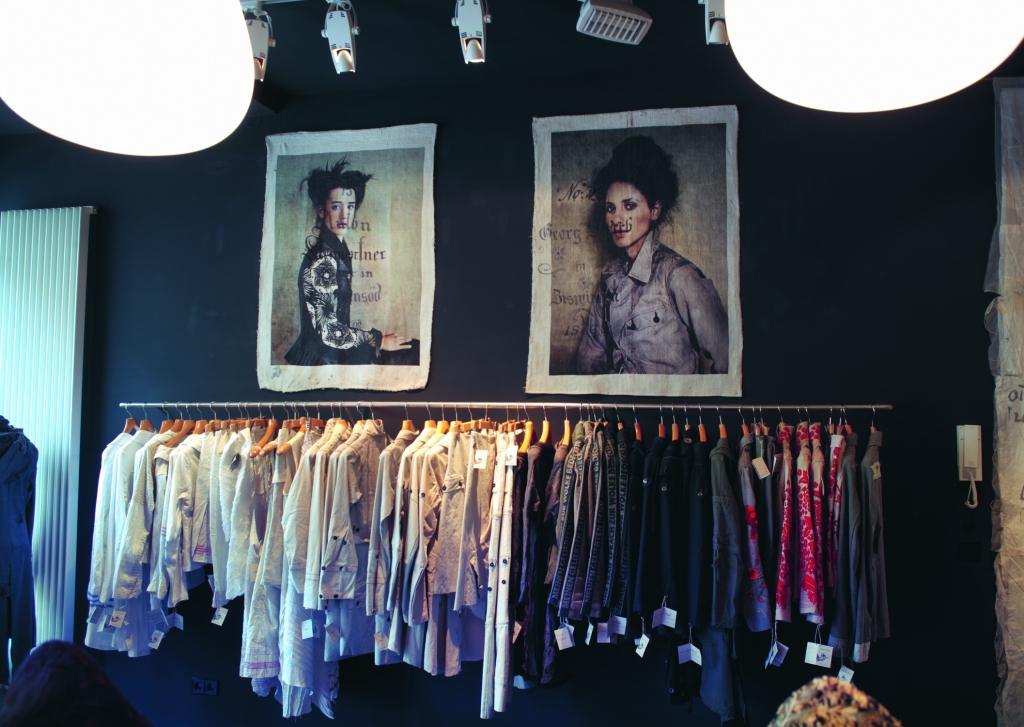
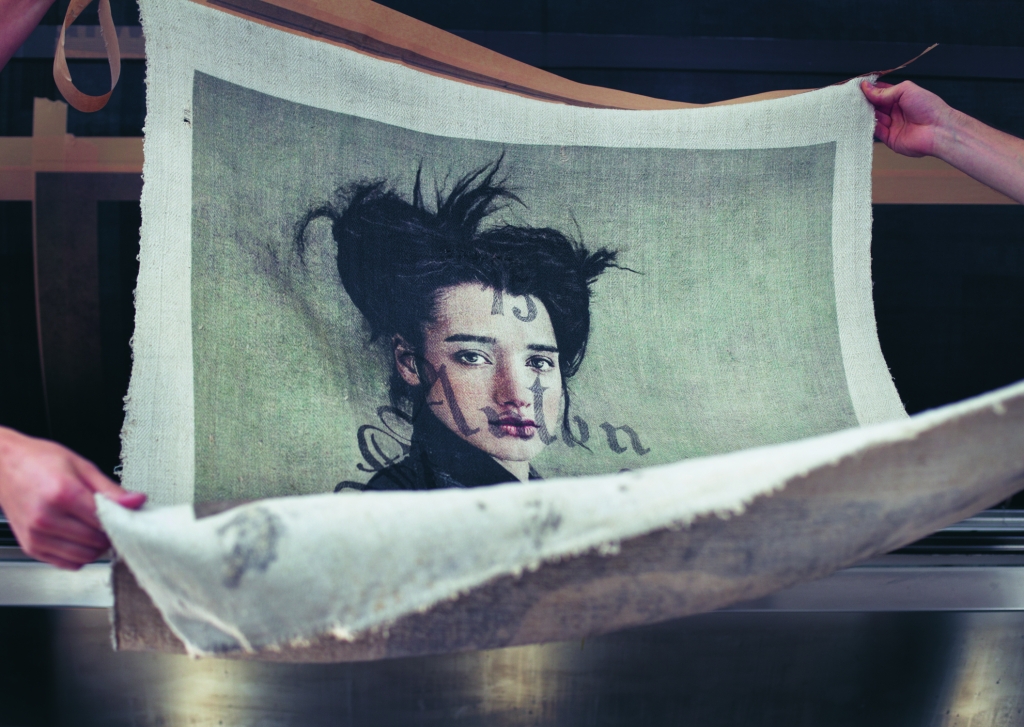
So when Mayer was preparing to launch her newest collection at her Berlin boutique, she approached Big Image Systems about using some of those materials – in this case, 19th Century burlap wheat sacks – as the medium for in-store graphics.

“The sacks had aged really well,” says Olle Lindqvist, president of Big Image Systems’ St. Louis Park, Minn.-based office. “She liked the colors and the aged look.”

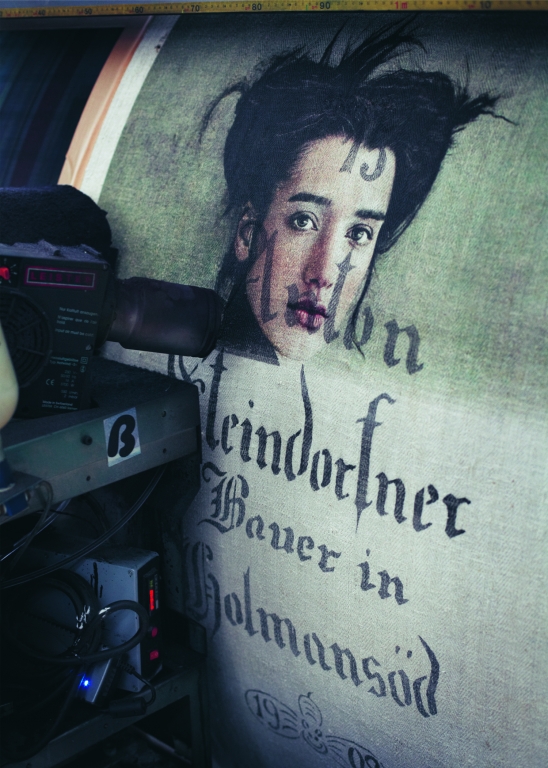
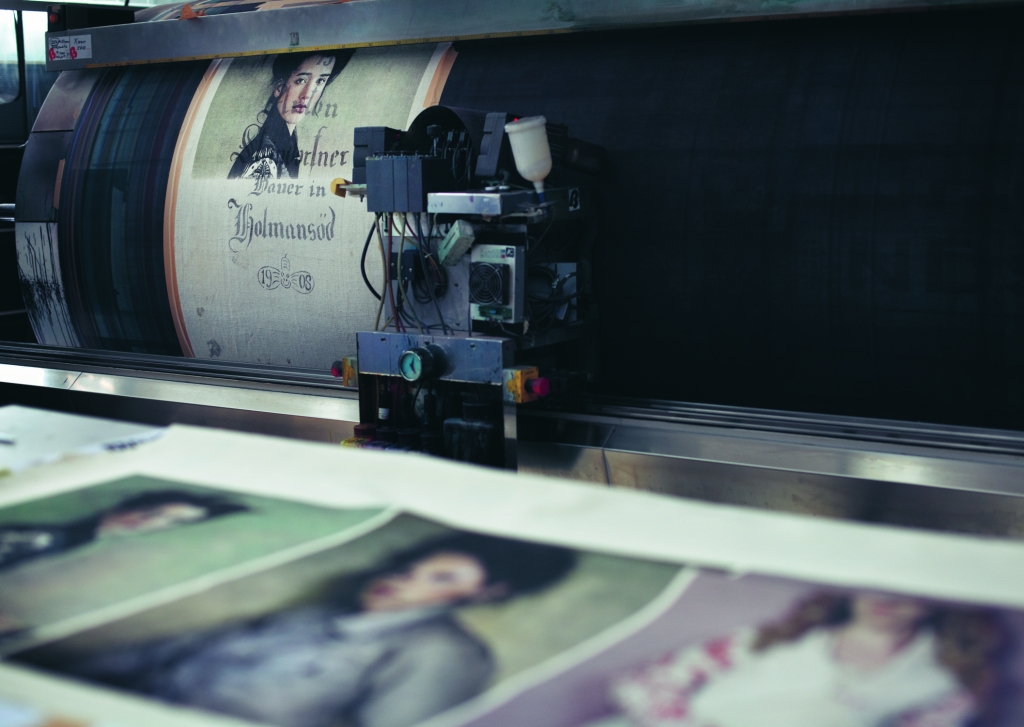
However, the project presented several challenges for the 25-year-old printing company, which got its start in large-scale theatrical backgrounds. First, the fabric was very fragile and there was concern that it wouldn’t hold up. So the company adapted one of its inkjet printers with a rotating drum. During the printing process, the fabric would rest on the drum to minimize wear and stress to the material.

The next issue involved color. The age of the burlap meant the material had a natural-looking brown color, but Big Image normally prints in white media. “The uneven brown color of the sacks made it difficult to produce a printed image with the correct color tones and brilliance our client expected," says Lindqvist.

The company spent several days adjusting the color of Mayer’s fashion photos in Adobe Photoshop and then recalibrating the printer ink levels so that the colors would come out even. Sample images were then printed on the actual fabric until the correct color rendering was achieved. “The process involved everyone from artwork to production,” says Lindqvist.

Eight images were printed and hung inside the boutique. While each panel took only minutes to print, the attention to detail and artistry on the front end helped make the project a success. “It’s the marriage of old and new,” says Lindqvist.