With the steady popularity of online shopping and consumers’ continued wariness to spend money, most visual merchandisers think now’s really time to up the ante.
“It’s more important than ever to step out of the box,” says Paul Olszewski, Macy’s director of windows (New York). “You want to get people to come inside the store.”
Creating a draw for Macy’s Herald Square, Olszewski has used everything from oversized flamingos and elaborate flower displays to art installations inside his flagship windows.
For Ana Fernandes, creative design manager at Toronto’s The Bay department store, that means regularly changing up her windows and displays in a dramatic fashion, going from bold colors and eclectic propping one month to cleaner and monochromatic the next. “I need to give shoppers something different,” she says. “So the customer realizes there’s a big change.”
And those pushing the envelope with cutting edge and creative visual displays and windows are not only catching customers’ attention, but also the eyes of judges in VMSD’s 2010 International Visual Competition. “There’s a polarity in visual right now, between those taking a chance and those playing it safe,” says judge Christian Davies, executive creative director, Americas, Fitch (Columbus, Ohio). “We were drawn to things that were different.”
Simply Remarkable
And what visual trends are making that difference? For one, there’s a continued emphasis on the craft of visual merchandising using everyday materials. “But in remarkable ways,” says Davies.
For Macy’s Herald Square flagship, Olszewski created an entire fashion window campaign using colored pieces and rolls of paper. Since this particular campaign wasn’t tied to a specific marketing initiative, Olszewski says he didn’t receive any extra money toward his visual budget, which “forces us to be creative.”
So he started playing with paper, pulling colors from the clothing on display. His staff then precut thousands of shingles of paper, which filled countless garbage bags that were trucked from the 7th floor workroom to the ground-floor windows. Olszewski says he traced a rough pattern on the wall where the pieces would hang and marked where the colors would blend. Then he and his team started “stapling away.”
The end result: a layered, artistic installation that perfectly enhances the fashion-adorned mannequins standing in front.
The judges agreed, naming the project Best in Show. Davies says he was struck by the artistry and depth of the piece. “It’s executed in a way that’s pure creativity.” Just as important, says Beth Harlor, associate director, CBDi design, Procter & Gamble (Cincinnati), “It illustrates the marriage of composition and product. It complements the product without becoming the story.”
That’s just as Olszewski intended. “Common materials don’t overpower the merchandise,” he explains. “They grab attention but focus on the product.”
Brent Hodge, a competition judge and visual manager for Williams-Sonoma Home, stresses that using controlled amounts of color, materials and propping are an excellent way to stay true to the core goal of driving product. For example, to promote a limited-edition Hermes scarf for Liberty of London, Hermes commissioned Elemental Design Ltd. (London) to create a “chandelier” composed of 242 scarves linked together using a metal frame and brass rings. The 600-pound mobile cascaded 21-feet into the atrium of Liberty’s Regent Street store. “We wanted to ensure that every view of the chandelier was symmetrical, reflecting the geometry of the prints,” says Gary Porter, founder of Elemental Design.
Judges decided it was an impressive enhancement for the merchandise. “It’s a wow,” says Joe Baer, owner, ZenGenius Visual Merchants (Columbus, Ohio).
Make the Brand Connection
With all the visual clutter perpetrating the shopping landscapes, judges also noted the need for targeted visual statements that drive brand equity.
For example, Holiday Image’s (Moonachie, Ill.) seasonal display for Tiffany & Co. incorporated baubles in silver and the retailer’s iconic blue to stand apart from the typical red and green. Nestled in a chandelier and adorning birch-stemmed topiaries, the stylish decor made a simple statement that was still classic Tiffany’s.
“It’s the use of iconic brand elements in a fresh way,” says David Hogrefe, managing director, Fitch (Columbus, Ohio).
Another winning window display was for Apple’s launch of its recyclable and energy-efficient 17-inch MacBook Pro. Judges lauded the window’s clean and easy-to-understand message – the same design attributes that go into Apple’s product design.
For visual merchandisers charged with executing marketing campaigns on an ever-changing basis, it’s also understanding what’s right for the brands you’re promoting.
“We need to put these brands into context and showcase them,” says The Bay’s Fernandes. “We don’t want to fight them.”
To celebrate the launch of the Ed Hardy line, The Bay used the brand’s tattoo-style graphics as a communication tool by applying them to the window back walls, exterior glass and window awnings. Judges say the head-snapping display was “just right for the brand.”
For another window display celebrating the Canadian department store’s newest contemporary brands, Fernandes and her team decided a simpler expression was right for letting the individuality of the brands stand out. The men’s fashion windows featured Kraft rolls and black color tissue in varying heights that were stretched out and stacked on top of each other for a dimensional background effect, while the women’s brand windows used interlocking black and white cardboard pieces.
The biggest challenge, says Fernandes, is finding new and fresh products to use in her visual campaigns. The propping for the aforementioned windows was found at a contemporary interior design show she attended, while in other cases, she’s been tasked with making the props herself. The Internet has also become a strong resource for her, netting an oversized, fiberglass horse that was rushed into her seasonal window display. “I’m always thinking, ‘How can I make this big and powerful?’ ” she says. “And I challenge the vendors I work with.”
Techno Fusion
Incorporating technology into visual displays is another area challenging visual merchandisers – and it’s one that’s becoming more important, adds Macy’s Olszewski, who often uses interactive elements in his holiday windows. “It can’t be ignored because of the upcoming generation,” he says. “But that doesn’t mean swaying away from creativity. It’s learning how to fuse technology and the artistry of visual in unique ways.”
For a Diesel window campaign promoting its “Destroyed” jeans campaign (on cover), design firm Liganova (Stuttgart, Germany) used motion tracking technology to turn the window into an interactive game whereby passersby could affect light, sound and action, including the weather. (For more on the technology behind Diesel’s award-winning campaign, as well as a video of it in action, visit VMSD.com.)
“The window fully embraces the zeitgeist of a target customer group for whom Playstation and Wii are second nature,” says Michael Haiser, Liganova managing director. “This playful approach within an otherwise rigid set-up is important for success here, for both players and spectators.”
And by blurring the barriers between shop window and street, Diesel reported a positive shift in brand image and a 50 percent increase in customer traffic.
“The customer has to be surprised by the window designs over and over again,” says Haiser. “Technology allows us to find new chances to stage products.”
To see the Awards of Merit winners, click here.
VMSD International Visual Competition Judging Panel
Joe Baer, owner, ZenGenius Visual Merchants
Christian Davies, executive creative director, Americas, Fitch
Beth Harlor, associate director, CBDi design, Procter & Gamble
Brent Hodge, visual manager, Williams-Sonoma Home
David Hogrefe, managing director, Fitch
Jay Kratz, architect, senior design manager, store design, Luxottica Retail
Jennifer Wilson, freelance visual merchandiser


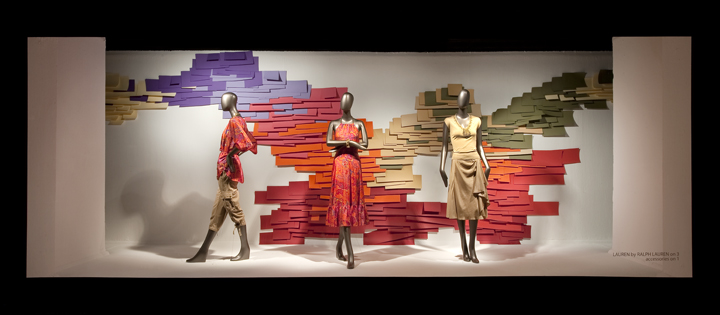
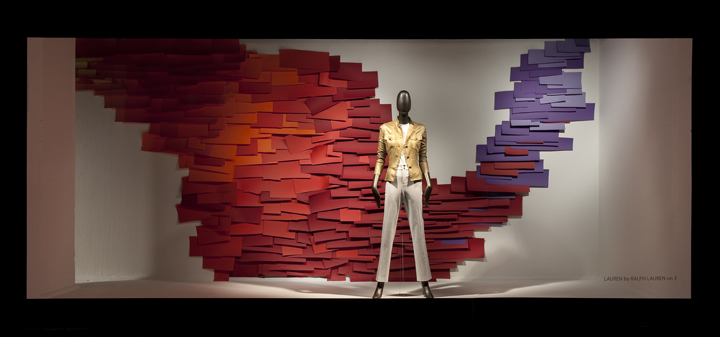
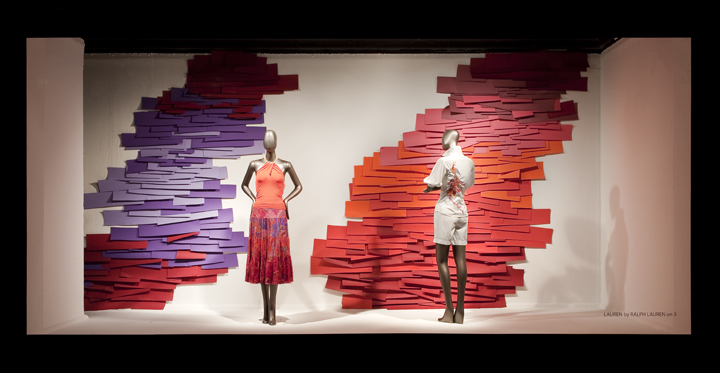


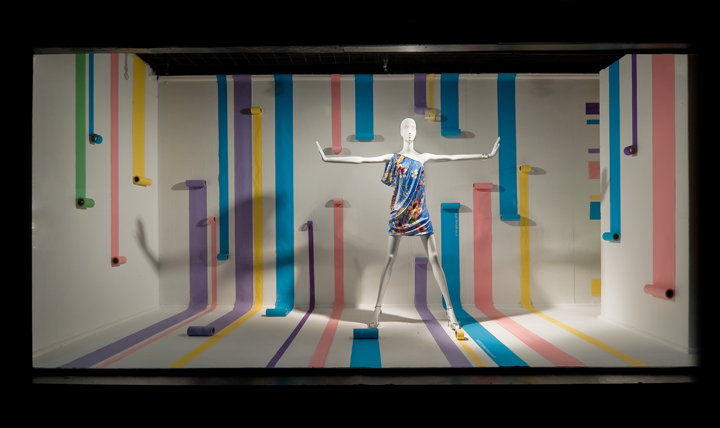

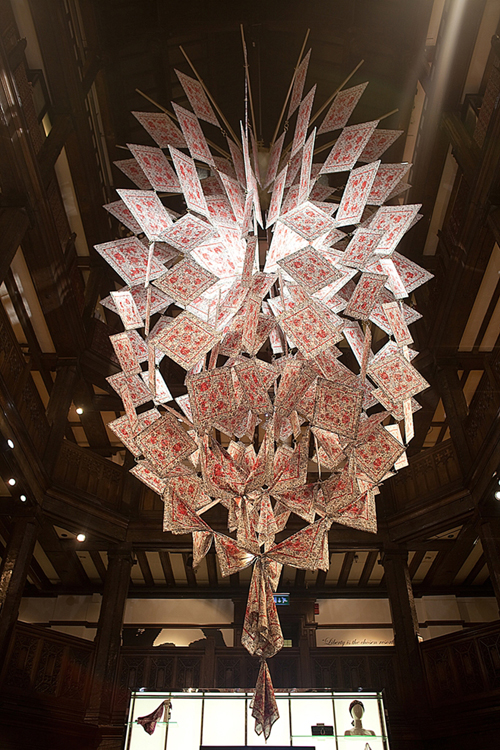
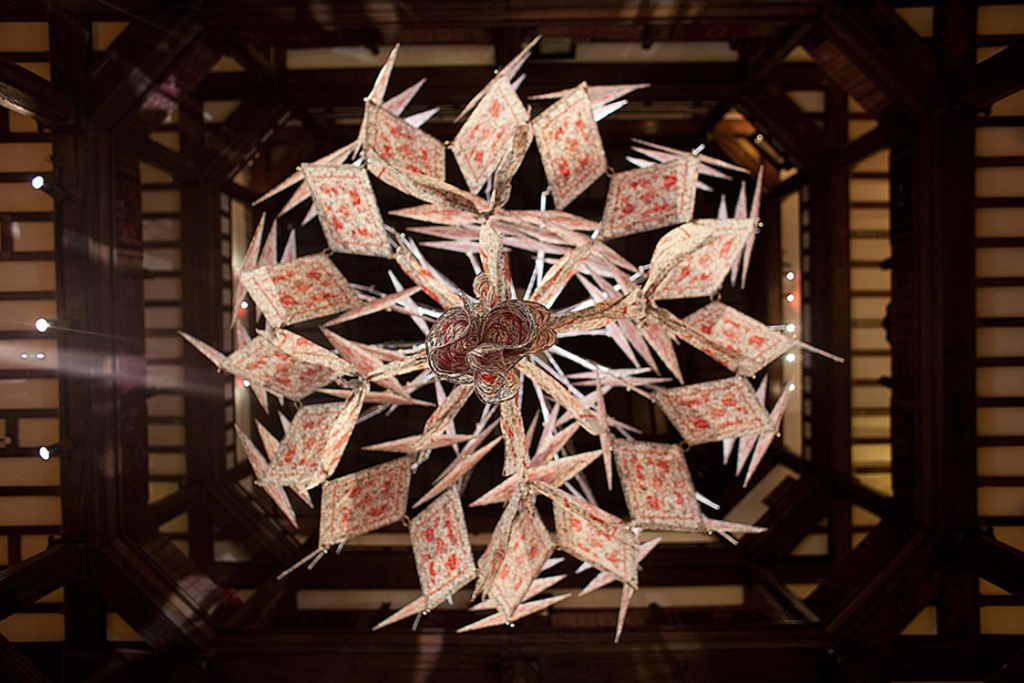


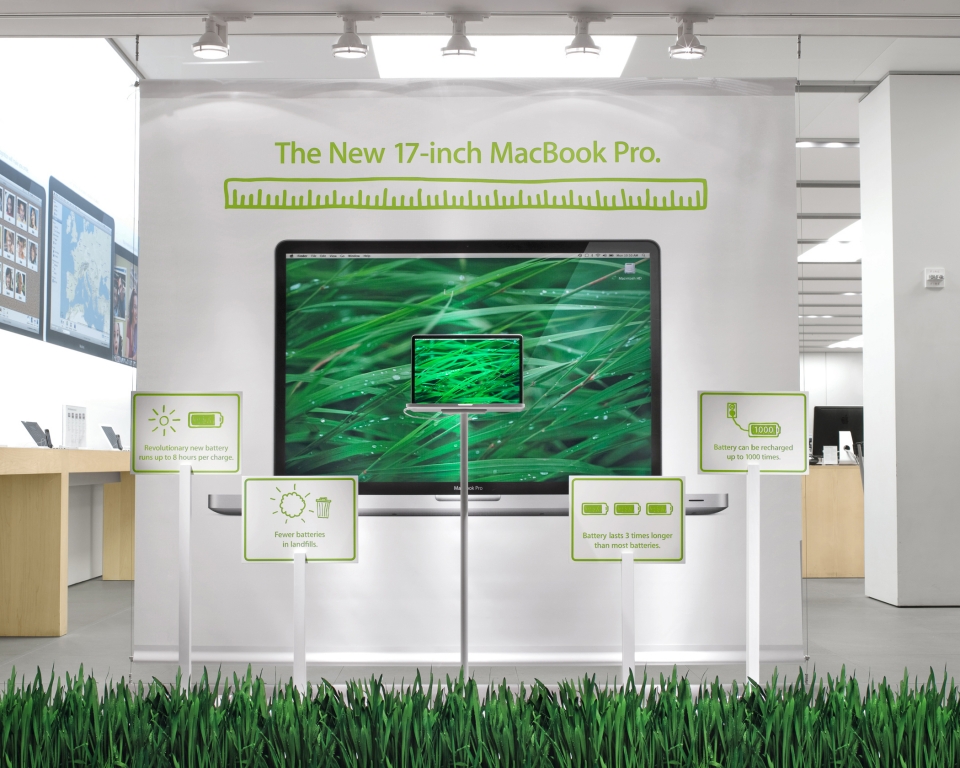
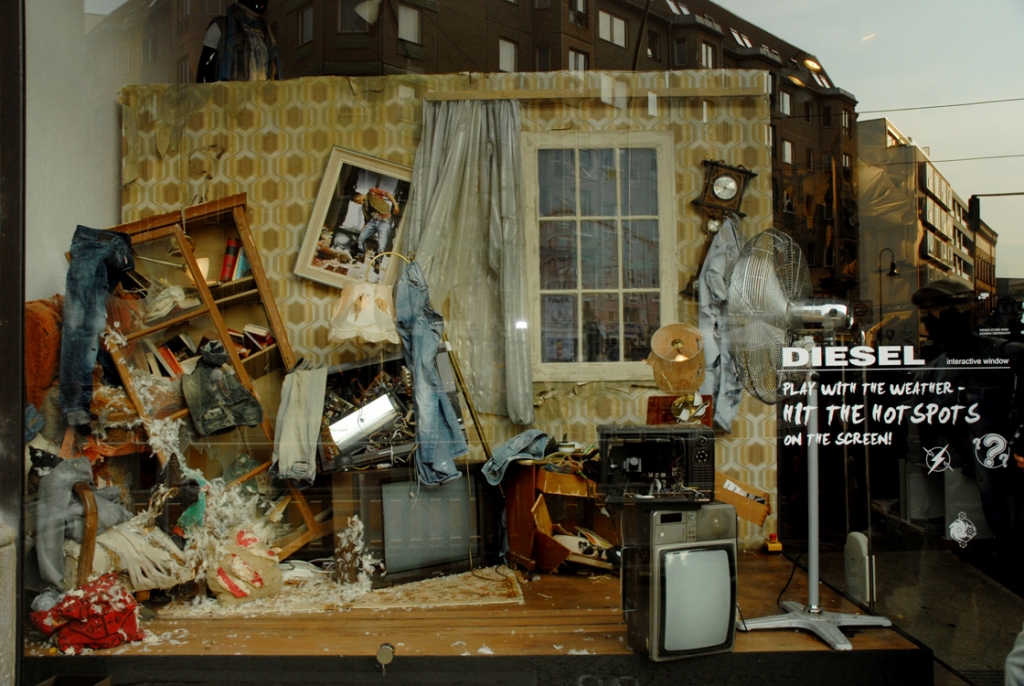
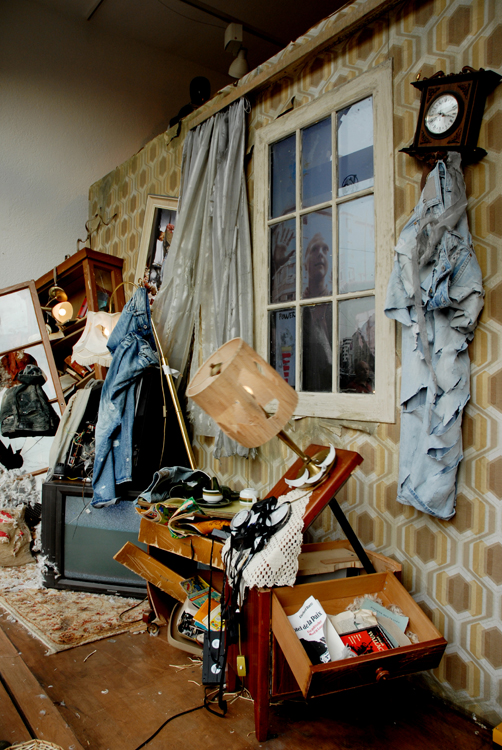
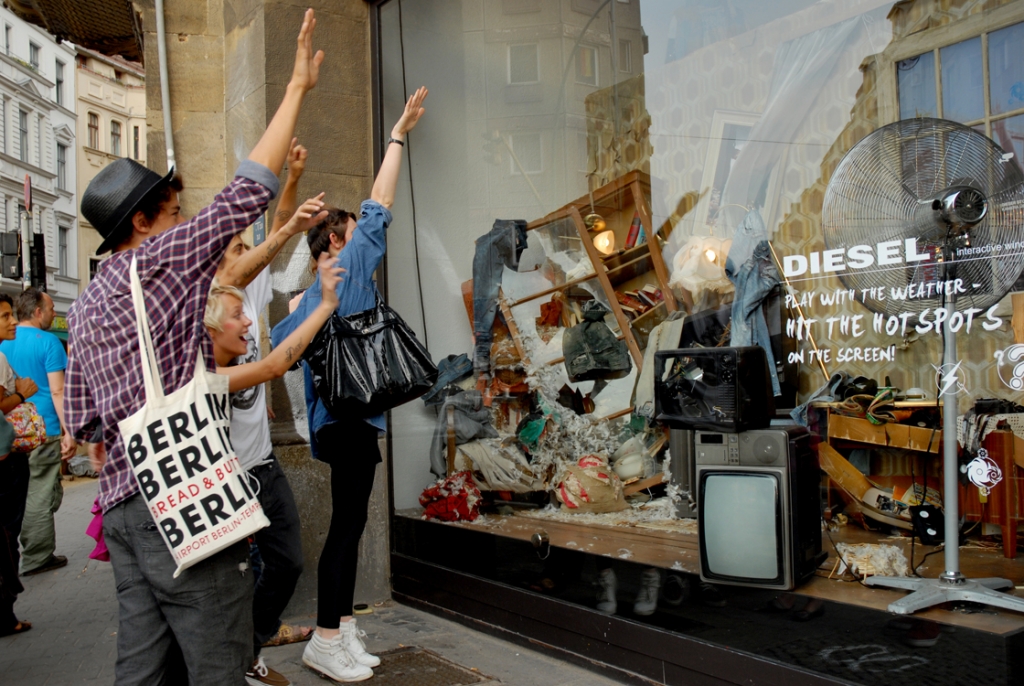
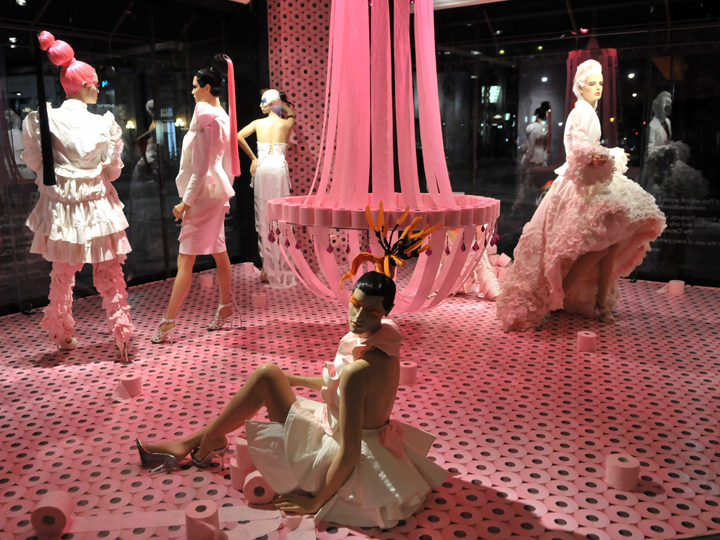

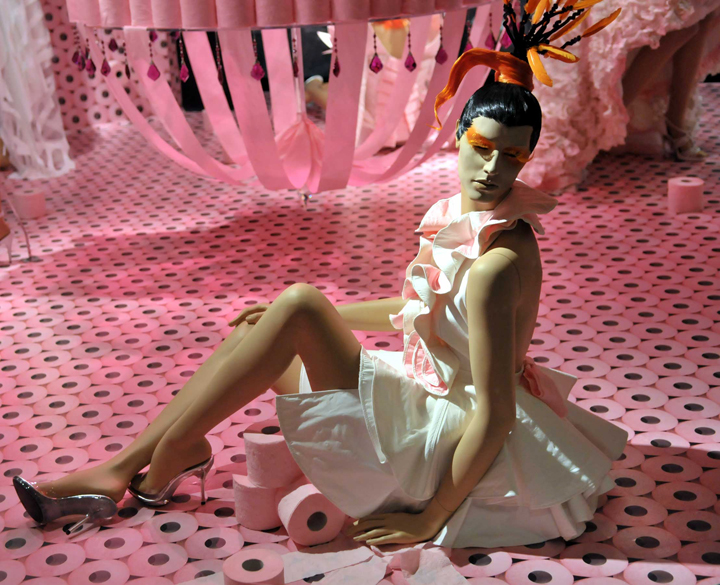
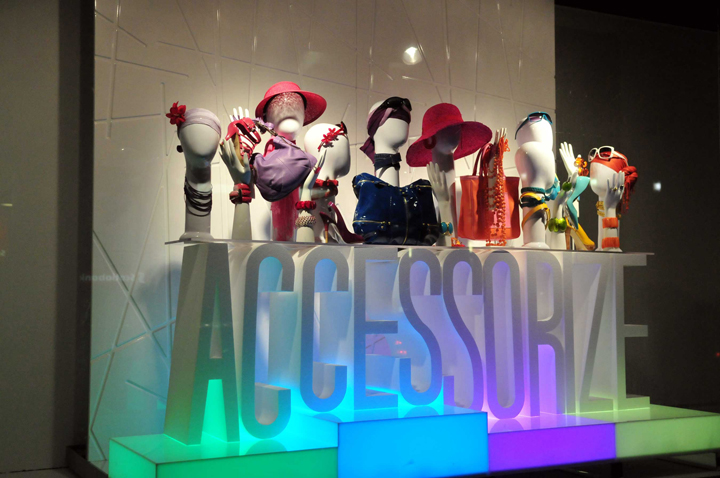
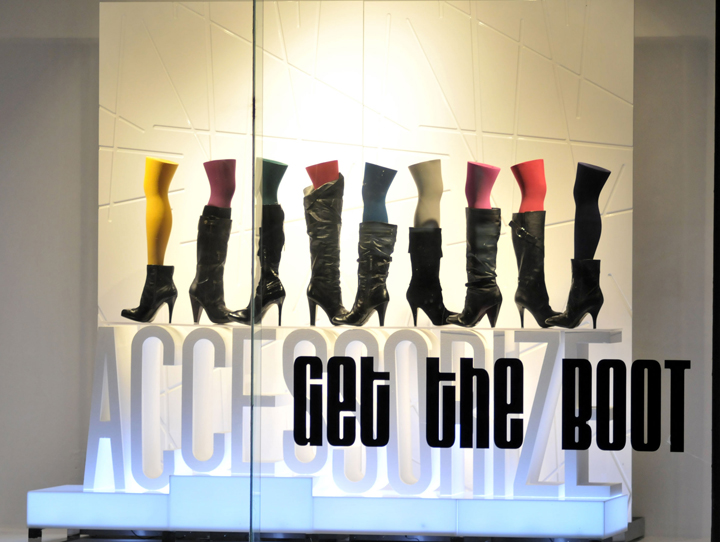
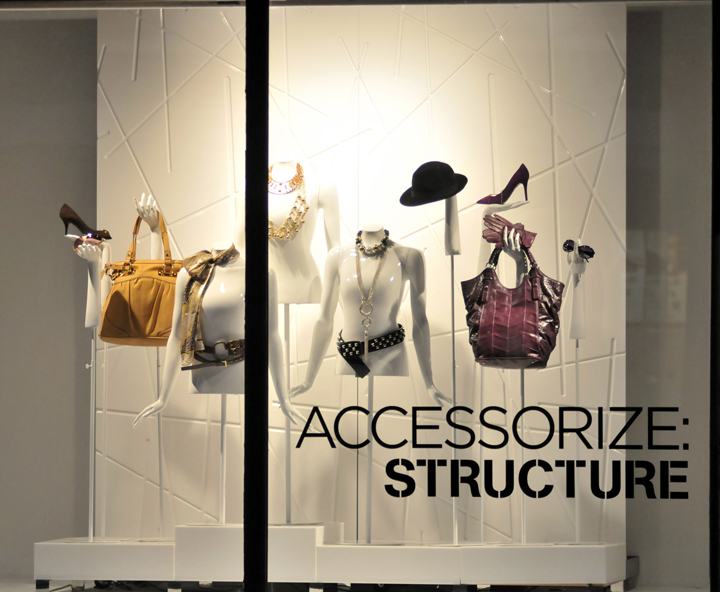
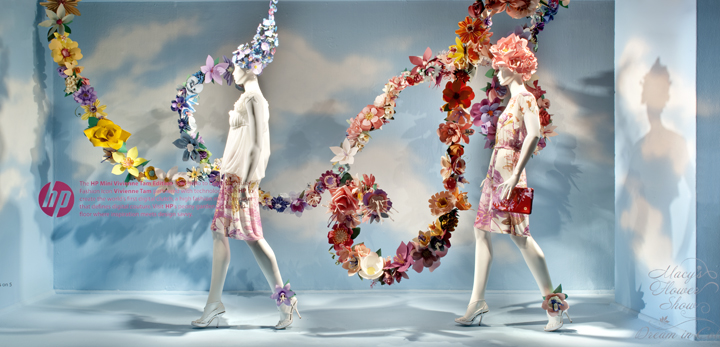
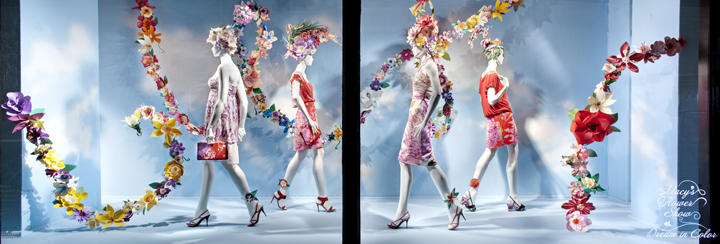
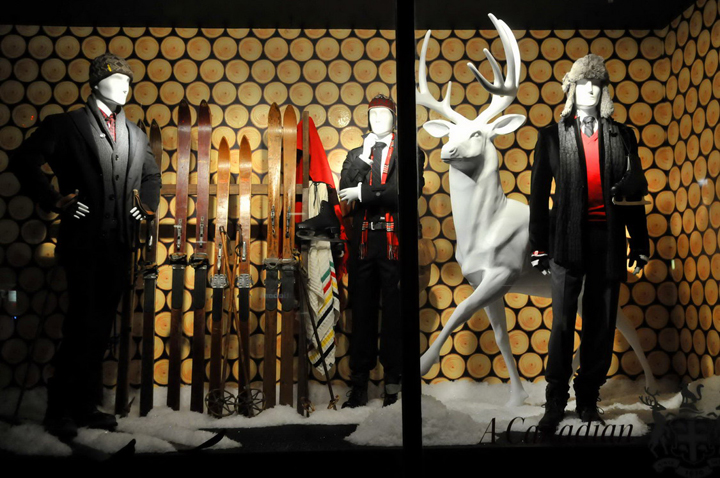
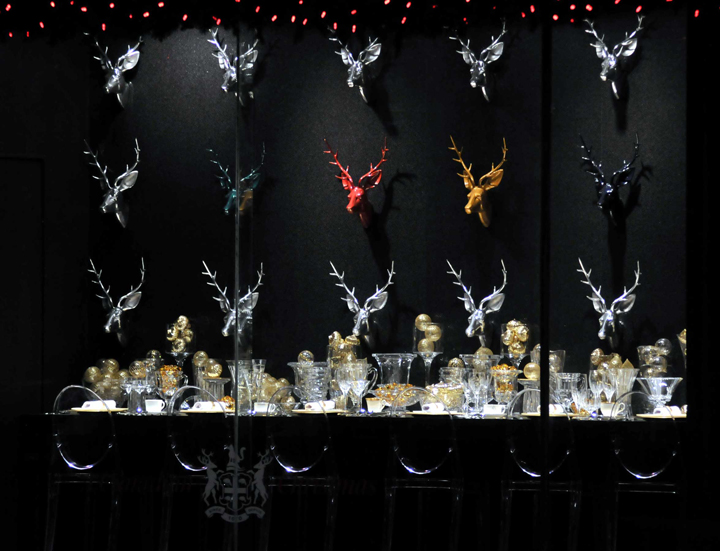
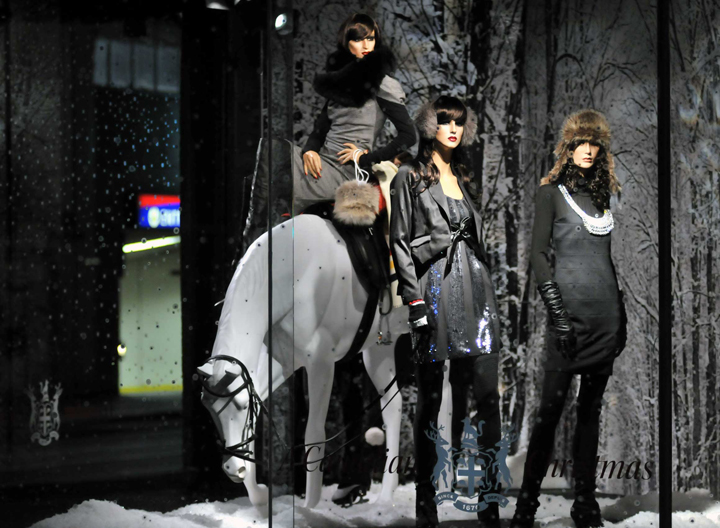

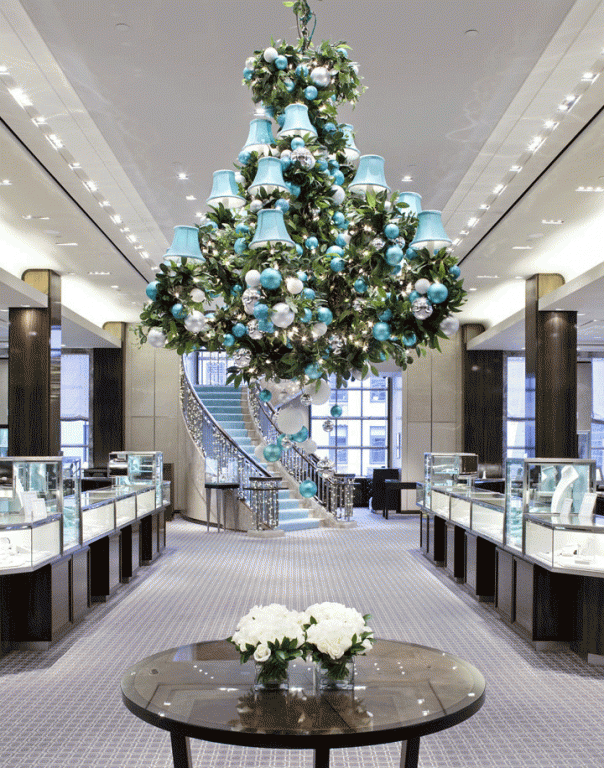











 Photo Gallery1 week ago
 Headlines4 days ago
 Headlines1 week ago
 Headlines2 weeks ago
 Headlines1 week ago
 Designer Dozen1 week ago
 Headlines1 week ago
 Headlines1 week ago