
Headlines
‘Ozempic Effect’ Hits Clothing-Reseller Racks
Weight-loss drug boom funneling more plus-size apparel to resale market


MasterClass: ‘Re-Sparkling’ Retail: Using Store Design to Build Trust, Faith and Brand Loyalty
HOW CAN WE EMPOWER and inspire senior leaders to see design as an investment for future retail growth? This session, led by retail design expert Ian Johnston from Quinine Design, explores how physical stores remain unmatched in the ability to build trust, faith, and loyalty with your customers, ultimately driving shareholder value.
Presented by:
Ian Johnston
Founder and Creative Director, Quinine Design












Chicagoland News: Gap Back on Mag Mile? Ebisu at Woodfield

Signet Jewelers May Close Up to 150 More Stores

Ferrari Opens London Flagship



Bulletins
Get the most important news and business ideas from VMSD magazine's news bulletins.
-

 Specialty Apparel1 week ago
On Our Radar: Sanctuary, Beverly Hills, Calif.
-
 Headlines1 week ago
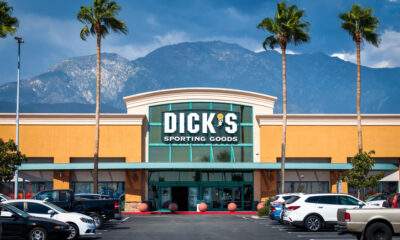
Store Openings: Dick’s Sporting Goods and Dollar General
-
 Headlines1 week ago
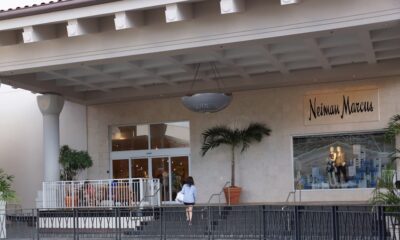
Saks Global Axing 15 More Luxury Stores
-
 Specialty Non-Apparel1 day ago
Ferrari Opens London Flagship
-
 Specialty Apparel6 days ago
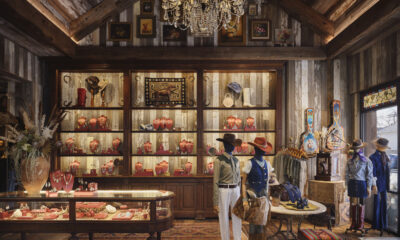
On Our Radar: Yellow Rose by Kendra Scott, Nashville
-

 John Ryan2 weeks ago
EuroShop 2026: In-Store Augmentation, Not Replacement
-

 Headlines1 week ago
New Brooklyn Theater to Offer Dining, Dancing Options
-
 Headlines3 days ago
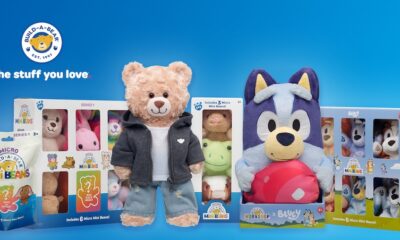
Wholesale News: Build-A-Bear/Walmart and David’s Bridal